
Plastic Surgery Recovery at Home: Essential Tips and Guidance for Middletown Patients

Recovering from plastic surgery at home can be a daunting experience for many patients. Understanding the necessary steps and preparations can significantly enhance the recovery process. This article provides essential tips and guidance specifically tailored for Middletown patients undergoing plastic surgery. By focusing on effective recovery strategies, patients can ensure a smoother healing journey while minimizing complications.
In this guide, we will explore key preparation steps, immediate post-operative care, best practices for managing swelling and nutrition, integrative therapies, procedure-specific recovery tips, and when to contact your surgeon. Each section aims to equip you with the knowledge needed for a successful recovery at home.
What Should Middletown Patients Prepare for Plastic Surgery Recovery at Home?
Preparing for recovery at home is crucial for a smooth healing process. Patients should take proactive steps to create a supportive environment that promotes healing and comfort.
How to Set Up a Comfortable and Safe Recovery Space at Home
Creating a conducive recovery space involves several considerations. First, ensure that the area is quiet and free from distractions, allowing for adequate rest. Comfortable seating arrangements, such as recliners or supportive chairs, can help patients find a suitable position for relaxation. Accessibility to necessities, including medications, water, and snacks, should be prioritized to minimize movement. Additionally, safety measures, such as removing tripping hazards and ensuring good lighting, are essential to prevent accidents during recovery.
Which Home Essentials Are Necessary for Post-Operative Care?
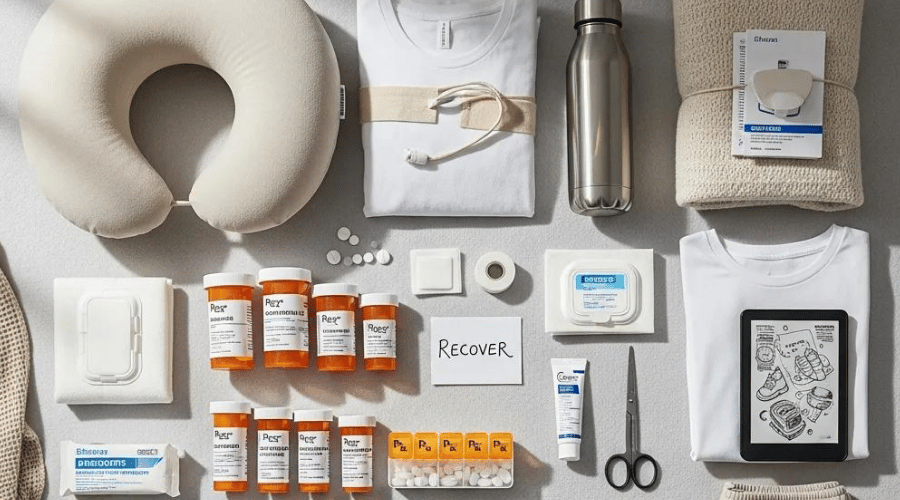
Having the right home essentials ready can make a significant difference in post-operative care. Here’s a checklist of necessary items:
• Medications: Ensure you have all prescribed medications, including pain relievers and antibiotics if prescribed.
• Wound Care Supplies: Stock up on gauze, antiseptic wipes, and adhesive bandages for proper wound care.
• Comfort Items: Consider items like pillows for support, a cold pack for swelling, and loose clothing for ease of movement.
These essentials will help facilitate a smoother recovery process and ensure that you are well-prepared for your post-operative care.
How Can Patients Manage Immediate Post-Operative Care After Plastic Surgery?
Immediate post-operative care is vital for minimizing complications and ensuring a successful recovery. Patients should be aware of effective pain management strategies and proper wound care techniques.
What Are Effective Pain Management Strategies at Home?
• Use of Prescribed Medications: Adhere to the prescribed pain management plan, taking medications as directed.
• Alternative Pain Relief Methods: Consider using cold packs to reduce swelling and numb pain in the initial days post-surgery.
• Importance of Rest: Prioritize rest and avoid strenuous activities to allow the body to heal properly.
These strategies can help patients maintain comfort and manage pain effectively during the early stages of recovery.
How to Properly Care for Wounds and Incisions to Prevent Infection?
Proper wound care is essential to prevent infection and promote healing. Follow these steps for effective wound management:
• Cleaning Techniques: Gently clean the incision site with mild soap and water, avoiding harsh chemicals.
• Signs of Infection: Monitor for symptoms such as increased redness, swelling, warmth, or discharge, which may indicate infection.
• When to Seek Help: If any signs of infection occur, contact your surgeon immediately for guidance.
By following these wound care practices, patients can significantly reduce the risk of complications during recovery.
What Are the Best Practices for Managing Swelling, Hydration, and Nutrition During Recovery?
Managing swelling, hydration, and nutrition is critical for optimal recovery. Patients should focus on these aspects to support their healing process effectively.
How Does Hydration Support the Healing Process After Surgery?
Hydration plays a vital role in recovery. Adequate fluid intake helps to:
• Promote Circulation: Proper hydration supports blood flow, which is essential for delivering nutrients to healing tissues.
• Reduce Swelling: Staying hydrated can help minimize swelling and promote faster recovery.
• Support Overall Health: Hydration aids in flushing out toxins and maintaining overall bodily functions.
Patients should aim to drink plenty of water and consider electrolyte-rich fluids to support their recovery.
Which Foods Promote Faster Healing and Recovery at Home?

Nutrition is a key component of recovery. Incorporating the following foods can enhance healing:
• Protein-Rich Foods: Foods like chicken, fish, eggs, and legumes support tissue repair and muscle recovery.
• Fruits and Vegetables: Rich in vitamins and minerals, these foods boost the immune system and promote healing.
• Healthy Fats: Incorporate sources like avocados, nuts, and olive oil, which provide essential fatty acids that support overall health.
Research further emphasizes the critical role of nutrition in accelerating post-surgical healing and reducing complications.
Nutritional Strategies for Enhanced Surgical Recovery
Malnutrition has long been recognised as a risk factor for post-operative morbidity and mortality. Traditional metabolic and nutritional care of patients undergoing major elective surgery has emphasised pre-operative fasting and re-introduction of oral nutrition 3–5 d after surgery. Recent studies have emphasised that an enhanced rate of recovery can be achieved by a multi-modal approach focused on modulating the metabolic status of the patient before (e.g. carbohydrate and fluid loading), during (e.g. epidural anaesthesia) and after (e.g. early oral feeding) surgery.The nutritional management of surgical patients: enhanced recovery after surgery, 2003
By focusing on a balanced diet, patients can optimize their recovery and enhance their overall well-being.
How Can Integrative Therapies Enhance Long-Term Plastic Surgery Recovery?
Integrative therapies can complement traditional recovery methods, providing additional support for healing and well-being.
What Role Does IV Nutrition Therapy Play in Post-Surgical Healing?
IV nutrition therapy may be considered in specific cases, particularly when patients have difficulty maintaining adequate oral intake. This therapy provides:
• Nutritional Support: Direct delivery of vitamins and minerals can enhance recovery and support immune function.
• Hydration Benefits: IV therapy ensures adequate hydration, which is crucial for healing.
• Patient Experiences: Some patients report feeling more energized and less fatigued after receiving IV nutrition therapy.
Patients should consult their healthcare provider to determine if IV nutrition therapy is appropriate for their individual recovery needs.
How Can Cosmetic Acupuncture Support Emotional and Physical Recovery?
Cosmetic acupuncture offers a holistic approach to recovery. It can help:
• Reduce Stress: Acupuncture promotes relaxation and reduces anxiety, which can be beneficial during recovery.
• Manage Pain: This therapy can alleviate discomfort and enhance overall well-being.
S• upport Healing: By improving circulation, acupuncture may aid in the healing process.
Patients interested in integrative therapies should consult with their healthcare provider to explore these options.
What Procedure-Specific Recovery Tips Should Middletown Patients Know?
Different surgical procedures may require specific recovery strategies. Understanding these can help patients navigate their recovery more effectively.
What Are Key Recovery Steps After Breast Augmentation at Home?
Breast augmentation recovery involves specific steps to ensure optimal healing:
• Initial Recovery Tips: Rest is crucial in the first few days; avoid lifting heavy objects and strenuous arm movements.
• Long-Term Care Advice: Gradually resume normal activities as advised by your surgeon, typically over 4 to 6 weeks.
• Signs to Watch For: Monitor for unusual swelling, severe pain, or signs of infection, and contact your surgeon if concerns arise.
Modern surgical approaches, such as the Enhanced Recovery After Surgery (ERAS) protocol, have shown promising results in improving patient outcomes for specific procedures like breast augmentation.
ERAS Protocol for Faster Breast Augmentation Recovery
The ERAS protocol significantly reduced postoperative pain and the use of opioids and promoted a return to daily activities without increasing complications in breast augmentation.Faster return to daily activities and better pain control: a prospective study of enhanced recovery after surgery protocol in breast augmentation, 2023
Following these steps can help ensure a smooth recovery after breast augmentation.
How to Navigate Tummy Tuck Recovery Safely and Comfortably?
Tummy tuck recovery requires careful attention to specific guidelines:
• Post-Operative Care: Follow your surgeon's instructions regarding wound care, use of compression garments, and activity restrictions.
• Activity Restrictions: Avoid strenuous activities and heavy lifting for at least 4 to 6 weeks to allow proper healing.
• Support Systems: Having a support system in place can help manage daily tasks during recovery.
By adhering to these guidelines, patients can navigate tummy tuck recovery more comfortably.
When Should Patients Contact Their Surgeon During Home Recovery?
Maintaining communication with your surgeon is essential during recovery. Knowing when to reach out can prevent complications.
What Signs Indicate Complications Requiring Medical Attention?
Patients should be vigilant for signs that may indicate complications, including:
• Common Complications: Increased pain, swelling, redness, warmth, or discharge around the surgical site.
• Emergency Signs: Symptoms such as fever over 100.4°F (38°C), excessive bleeding, chest pain, shortness of breath, or sudden swelling should prompt immediate medical attention.
• Contacting the Surgeon: If any concerning symptoms arise, do not hesitate to reach out to your surgeon for guidance.
Being proactive about potential complications can significantly enhance recovery outcomes.
How to Maintain Effective Communication with SY Aesthetics During Recovery?
Effective communication with your healthcare provider is vital. Here are some tips:
• Questions to Ask: Prepare a list of questions regarding your recovery process to discuss during follow-up appointments.
• Follow-Up Protocols: Adhere to scheduled follow-up visits to monitor your progress.
• Utilizing Resources: Take advantage of available resources, such as educational materials provided by SY Aesthetics, to enhance your understanding of the recovery process.
By maintaining open lines of communication, patients can ensure they receive the support they need throughout their recovery journey.