
Best Rhinoplasty Surgeons NYC: Enhancing Facial Harmony & Profile Balance in Manhattan
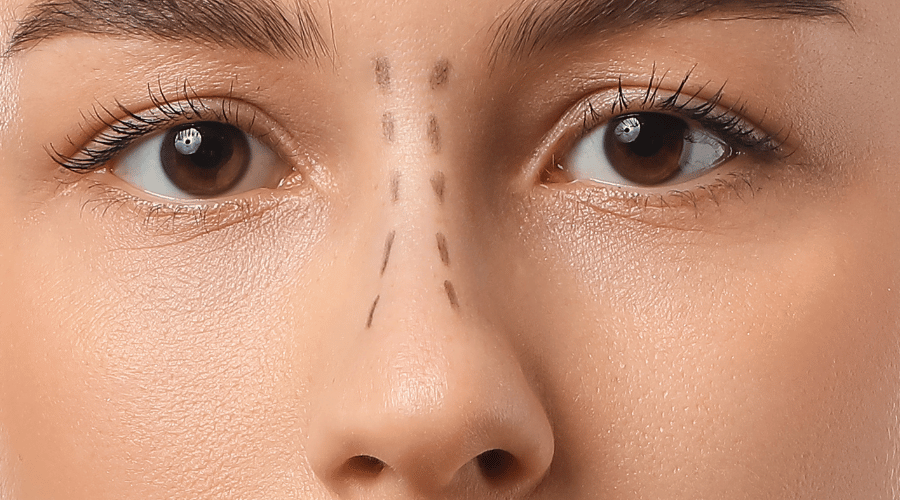
Rhinoplasty, commonly known as a nose job, is a transformative cosmetic procedure aimed at enhancing facial harmony and profile balance. This surgery can address various aesthetic concerns, from correcting a prominent hump to refining the tip of the nose. Individuals seeking rhinoplasty often desire not only an improved appearance but also increased self-confidence. In this article, we will explore the different types of rhinoplasty available in Manhattan, the recovery process, non-surgical alternatives, and how to choose the best surgeon for your needs. By understanding these aspects, you can make informed decisions about your rhinoplasty journey.
What Are the Types of Rhinoplasty Available in Manhattan?
Rhinoplasty techniques vary significantly, each tailored to meet specific patient needs and desired outcomes. The primary types include closed rhinoplasty, open rhinoplasty, and ethnic rhinoplasty, each offering unique benefits and considerations.
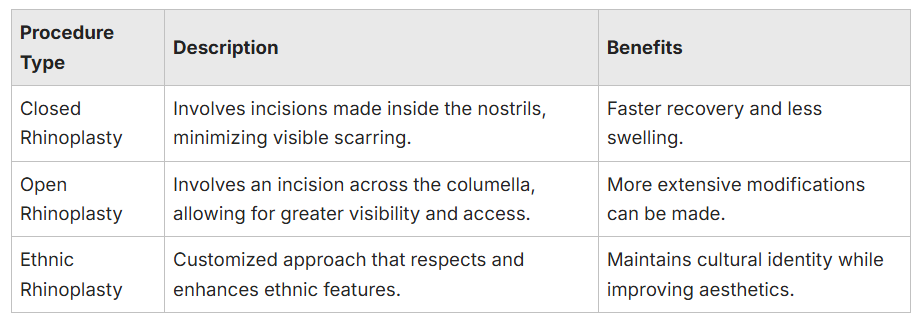
Understanding these options is crucial for selecting the right approach for your needs. Each technique has its pros and cons, which can significantly impact your results and recovery.
How Do Closed and Open Rhinoplasty Techniques Differ?
Closed and open rhinoplasty techniques differ primarily in their approach to incisions and visibility. Closed rhinoplasty is performed entirely within the nostrils, which means no external scars are visible. This technique is often preferred for minor adjustments and typically results in a quicker recovery time. Conversely, open rhinoplasty involves an incision on the underside of the nose, providing the surgeon with better access to the nasal structures. This method is beneficial for more complex cases where significant reshaping is required.
What Is Ethnic Rhinoplasty and How Is It Customized?
Ethnic rhinoplasty is a specialized approach that considers the unique anatomical and aesthetic characteristics of different ethnic groups. This technique aims to enhance the nose while preserving the patient's ethnic identity. Customization is key, as it involves understanding the cultural significance of certain features and ensuring that the results align with the patient's expectations.
Surgeons often work closely with patients to create a nose that complements their overall facial structure while respecting their heritage.
A recent systematic review further emphasizes the importance of tailored techniques for diverse ethnic groups in rhinoplasty.
Ethnic Rhinoplasty: Tailored Techniques for Diverse Facial Harmony
Rhinoplasty, especially among diverse ethnic groups, requires specialized techniques to address anatomical differences and patient preferences. This systematic review focuses on the surgical outcomes and patient satisfaction in rhinoplasty, highlighting methods tailored to specific populations, particularly Asian and Hispanic individuals, who often seek subtle alterations that preserve ethnic identity.
Ethnic Variations and Surgical Outcomes in Rhinoplasty: A Systematic Review, 2025
What Should You Expect During Nose Job Recovery Time?

Recovery from rhinoplasty is a critical phase that can significantly influence the final results. Understanding the typical recovery timeline and how to manage potential complications is essential for a smooth healing process.
What Are the Typical Recovery Phases After Rhinoplasty?
The recovery process after rhinoplasty generally unfolds in several phases. Initially, patients may experience swelling and bruising, which typically peak within the first few days. Most patients can return to light activities within a week, but full recovery may take several weeks to months. During this time, it is crucial to follow post-operative care instructions to ensure optimal healing and results.
How Can You Manage Risks and Complications During Recovery?
Managing risks and complications during recovery is vital for achieving the desired outcome. Common risks include infection, excessive bleeding, and dissatisfaction with the aesthetic results. Patients should be vigilant for signs of complications, such as increased pain or unusual swelling, and contact their surgeon if any concerns arise.
Following all post-operative care guidelines, including avoiding strenuous activities and keeping follow-up appointments, can help mitigate these risks.
Effective postoperative care is crucial for managing these risks and ensuring a smooth recovery, as highlighted by recent research.
Rhinoplasty Recovery: Essential Postoperative Care Strategies
Rhinoseptoplasty addresses both nasal deformities and functional issues. Effective postoperative care is essential for optimal recovery, as complications such as swelling, bruising, and pain can adversely affect healing and patient satisfaction. Proper postoperative care emphasizes the significance of comprehensive management strategies.
Improving postsurgical management of rhinoplasty: a comprehensive review of existing literature, 2025
What Non-Surgical Nose Reshaping Alternatives Are Offered in NYC?
For those hesitant about surgery, non-surgical nose reshaping offers a less invasive option to enhance facial aesthetics. These procedures can provide significant improvements without the downtime associated with traditional rhinoplasty.
How Do Non-Surgical Procedures Enhance Facial Harmony?
Non-surgical nose reshaping typically involves the use of dermal fillers to alter the nose's shape and contour. This method can smooth out bumps, lift the tip, and create a more balanced profile.
The results are temporary, lasting from several months to a couple of years, depending on the type of filler used. This option is ideal for individuals seeking subtle changes without committing to surgery.
The growing popularity of non-surgical rhinoplasty is largely attributed to advancements in techniques utilizing hyaluronic acid dermal fillers.
Non-Surgical Rhinoplasty with Dermal Fillers
nonsurgical rhinoplasty (NSR) has gained popularity due to advanced techniques involving hyaluronic acid (HA) dermal fillers.
Non-surgical rhinoplasty (NSR): a systematic review of its techniques, outcomes, and patient satisfaction, 2023
Who Is an Ideal Candidate for Non-Surgical Nose Reshaping?
Ideal candidates for non-surgical nose reshaping are those looking for minor adjustments to their nose's appearance. This option is particularly suitable for individuals who may not be ready for surgery or those who want to test the waters before committing to a more permanent solution. A thorough consultation with a qualified practitioner can help determine if this approach aligns with the patient's aesthetic goals.
How to Choose the Best Rhinoplasty Surgeon in Manhattan?
Selecting the right surgeon is crucial for achieving satisfactory results from rhinoplasty. A qualified and experienced surgeon can make a significant difference in the outcome of the procedure.
What Qualifications and Experience Should You Look For?
When choosing a rhinoplasty surgeon, it is essential to consider their qualifications and experience. Look for board certification in plastic surgery or otolaryngology, as this indicates a high level of training and expertise. Additionally, reviewing before-and-after photos of previous patients can provide insight into the surgeon's skill and aesthetic sensibility.
How Does SY Aesthetics Provide Expert Consultation and Personalized Care?
At SY Aesthetics, we prioritize personalized care and expert consultation for all our patients. Our team specializes in aesthetic and anti-aging treatments, ensuring that each patient receives tailored advice and support throughout their rhinoplasty journey. We focus on understanding your unique goals and concerns, providing a comprehensive approach to achieving the best possible results.
To learn more about our services and how we can help you achieve your aesthetic goals, visit SY Aesthetics today.